Buy consequences.eu ?
We are moving the project
consequences.eu .
Are you interested in purchasing the domain
consequences.eu ?
domain@kv-gmbh.de · 0541-91531010
Buy consequences.eu ?
What is the difference between the USSR and the USSR?
There is no difference between the USSR and the USSR. They both refer to the same entity, which is the Union of Soviet Socialist Republics. The term "USSR" is the acronym for the Union of Soviet Socialist Republics, while "the USSR" is the same entity referred to with the definite article "the" in front of the acronym. Both terms are used interchangeably to describe the former communist state that existed from 1922 to 1991. **
What was the outcome of the Potsdam Conference between the USA and the USSR?
The outcome of the Potsdam Conference between the USA and the USSR was the establishment of the terms for the post-World War II settlement. The conference resulted in the division of Germany into four zones of occupation, with each zone controlled by one of the Allied powers. Additionally, the conference addressed issues such as the prosecution of war criminals, the demilitarization and denazification of Germany, and the payment of reparations. The Potsdam Conference marked the beginning of the Cold War between the USA and the USSR. **


Similar search terms for USSR
Top-Angebote
Products related to USSR:
-
Multicon Wholesale Hub Impact Socket Adapter Impact Hex Shank, Right Angle Drill Extension, Drill Bits Set Impact Socket Adapter Impact Hex Shank, Right Angle Drill Extension, Drill Bits Set"Unlock the full potential of your power tools with this 8PCS Impact Socket Adapter Set, designed for both DIY enthusiasts and professionals alike. This highquality impact socket adapter set includes everything you need to easily convert your 14"" hex..."58,97 $*Shipping: 0,00 $Secure redirect to the provider


-
Why was the USSR abolished?
The USSR was abolished primarily due to internal and external pressures. Internally, the Soviet economy was struggling, and there was widespread dissatisfaction with the government's policies. Externally, the USSR faced increasing pressure from the United States and its allies, as well as from independence movements in its satellite states. Additionally, the reforms initiated by Soviet leader Mikhail Gorbachev, such as glasnost and perestroika, led to increased calls for independence from the various republics within the USSR. Ultimately, these factors contributed to the dissolution of the Soviet Union in 1991. **
-
Was there unemployment in the USSR?
Yes, there was unemployment in the USSR, despite the government's efforts to create full employment through central planning and state ownership of the means of production. Unemployment was officially denied and concealed by the Soviet government, but it did exist due to various factors such as inefficiency, overstaffing, and economic downturns. Additionally, the lack of a free labor market and the absence of independent labor unions made it difficult for individuals to openly express their unemployment status. **
-
Is the USSR good or bad?
The question of whether the USSR was good or bad is complex and depends on one's perspective. Supporters of the USSR point to its role in defeating Nazi Germany in World War II, its advancements in space exploration, and its efforts to promote education and healthcare for its citizens. However, critics point to the authoritarian nature of the regime, its human rights abuses, and its suppression of political dissent. Ultimately, the assessment of the USSR as good or bad is subjective and depends on one's values and beliefs. **
-
Was the USSR a state capitalism?
Yes, many scholars argue that the USSR was a form of state capitalism. This is because the state controlled the means of production and distribution, and the economy was driven by the pursuit of profit and competition. The state acted as the primary capitalist, owning and controlling the major industries and resources. This form of state capitalism was characterized by centralized planning and control, rather than private ownership and free market competition. **

What was the result of the Potsdam Conference between the USA and the USSR?
The result of the Potsdam Conference was the division of Germany and Berlin into four occupation zones, with the United States, Soviet Union, Great Britain, and France each controlling one zone. The conference also established the terms of surrender for Japan, including the demand for unconditional surrender. Additionally, the conference addressed the issue of war reparations and the punishment of war criminals. Overall, the Potsdam Conference solidified the post-war division of Europe and set the stage for the emerging Cold War tensions between the United States and the Soviet Union. **
What was the USSR-GDR really like?
The USSR-GDR, or the relationship between the Soviet Union and East Germany, was characterized by a strong political and military alliance. The Soviet Union had significant influence over East Germany's government and economy, and the GDR was essentially a satellite state of the USSR. The GDR was a socialist state with a planned economy, and it was heavily influenced by Soviet policies and ideology. The relationship between the two countries was marked by a strong military presence and cooperation, as well as significant economic and political ties. **
Top-Angebote
Products related to USSR:
-
Tools, Home & Hobby Impact Socket Set Drive Deep Impact Sockets With Storage Case Impact Socket Set Drive Deep Impact Sockets With Storage CaseDrive through demanding repairs with confidence using this heavyduty impact socket set designed for mechanics, truck owners, and DIY enthusiasts who need dependable strength every time. Built from rugged CrV alloy steel, these impact sockets are...94,97 $*Shipping: 0,00 $Secure redirect to the provider
-
Amina White Concrete Effect Wave Effect MirrorBring a touch of modern elegance to your home with the Amina White Concrete Effect Wave Mirror. Featuring a wavy, contoured frame, this mirror offers an organic feel that stands out from traditional designs. Perfect for contemporary or eclectic interiors, it adds depth and character to any space. Whether displayed in your living room, bedroom, or hallway, this piece creates a striking focal point, effortlessly elevating the ambience of your home. Dimensions: H90 x E62 x D4cm129,00 £*Shipping: 4,99 £Secure redirect to the provider
-
Multicon Wholesale Hub Impact Socket Adapter Impact Hex Shank, Right Angle Drill Extension, Drill Bits Set Impact Socket Adapter Impact Hex Shank, Right Angle Drill Extension, Drill Bits Set"Unlock the full potential of your power tools with this 8PCS Impact Socket Adapter Set, designed for both DIY enthusiasts and professionals alike. This highquality impact socket adapter set includes everything you need to easily convert your 14"" hex..."58,97 $*Shipping: 0,00 $Secure redirect to the provider
-
What is the difference between the USSR and the USSR?
There is no difference between the USSR and the USSR. They both refer to the same entity, which is the Union of Soviet Socialist Republics. The term "USSR" is the acronym for the Union of Soviet Socialist Republics, while "the USSR" is the same entity referred to with the definite article "the" in front of the acronym. Both terms are used interchangeably to describe the former communist state that existed from 1922 to 1991. **
-
What was the outcome of the Potsdam Conference between the USA and the USSR?
The outcome of the Potsdam Conference between the USA and the USSR was the establishment of the terms for the post-World War II settlement. The conference resulted in the division of Germany into four zones of occupation, with each zone controlled by one of the Allied powers. Additionally, the conference addressed issues such as the prosecution of war criminals, the demilitarization and denazification of Germany, and the payment of reparations. The Potsdam Conference marked the beginning of the Cold War between the USA and the USSR. **
-
Why was the USSR abolished?
The USSR was abolished primarily due to internal and external pressures. Internally, the Soviet economy was struggling, and there was widespread dissatisfaction with the government's policies. Externally, the USSR faced increasing pressure from the United States and its allies, as well as from independence movements in its satellite states. Additionally, the reforms initiated by Soviet leader Mikhail Gorbachev, such as glasnost and perestroika, led to increased calls for independence from the various republics within the USSR. Ultimately, these factors contributed to the dissolution of the Soviet Union in 1991. **
-
Was there unemployment in the USSR?
Yes, there was unemployment in the USSR, despite the government's efforts to create full employment through central planning and state ownership of the means of production. Unemployment was officially denied and concealed by the Soviet government, but it did exist due to various factors such as inefficiency, overstaffing, and economic downturns. Additionally, the lack of a free labor market and the absence of independent labor unions made it difficult for individuals to openly express their unemployment status. **
Similar search terms for USSR
-
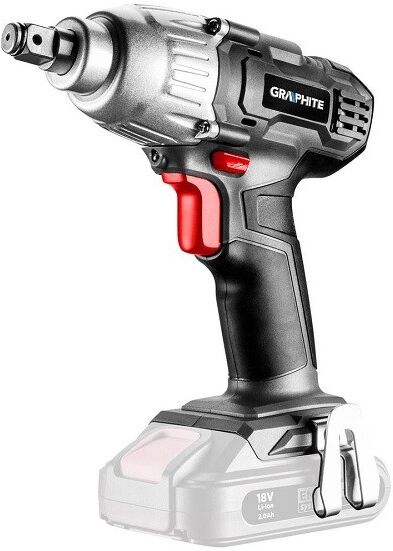
GRAPHITE 58G018 Impact wrenchVoltage [V]: 18; Battery: Li-Ion Battery; RPM to [rpm]: 0-2200; Torque to [Nm]: 180; Rotation Direction: Clockwise rotation, Anticlockwise rotation; Supplementary Info: battery not included; Drive [inch]: 1/2; Weight [kg]: 1.830,99 £*Shipping: 8,45 £Secure redirect to the provider
-
AdHoc Coffee Filter ImpactMore flavour. More enjoyment. More unadulterated aroma. The Impact coffee filter turns every cup into a small ritual. Simply pour hot water over the ground coffee in a circular motion – and enjoy a truly special coffee experience.24,95 $*Shipping: 0,00 $Secure redirect to the provider
-
Is the USSR good or bad?
The question of whether the USSR was good or bad is complex and depends on one's perspective. Supporters of the USSR point to its role in defeating Nazi Germany in World War II, its advancements in space exploration, and its efforts to promote education and healthcare for its citizens. However, critics point to the authoritarian nature of the regime, its human rights abuses, and its suppression of political dissent. Ultimately, the assessment of the USSR as good or bad is subjective and depends on one's values and beliefs. **
-
Was the USSR a state capitalism?
Yes, many scholars argue that the USSR was a form of state capitalism. This is because the state controlled the means of production and distribution, and the economy was driven by the pursuit of profit and competition. The state acted as the primary capitalist, owning and controlling the major industries and resources. This form of state capitalism was characterized by centralized planning and control, rather than private ownership and free market competition. **
-
What was the result of the Potsdam Conference between the USA and the USSR?
The result of the Potsdam Conference was the division of Germany and Berlin into four occupation zones, with the United States, Soviet Union, Great Britain, and France each controlling one zone. The conference also established the terms of surrender for Japan, including the demand for unconditional surrender. Additionally, the conference addressed the issue of war reparations and the punishment of war criminals. Overall, the Potsdam Conference solidified the post-war division of Europe and set the stage for the emerging Cold War tensions between the United States and the Soviet Union. **
-
What was the USSR-GDR really like?
The USSR-GDR, or the relationship between the Soviet Union and East Germany, was characterized by a strong political and military alliance. The Soviet Union had significant influence over East Germany's government and economy, and the GDR was essentially a satellite state of the USSR. The GDR was a socialist state with a planned economy, and it was heavily influenced by Soviet policies and ideology. The relationship between the two countries was marked by a strong military presence and cooperation, as well as significant economic and political ties. **
* All prices are inclusive of VAT and, if applicable, plus shipping costs. The offer information is based on the details provided by the respective shop and is updated through automated processes. Real-time updates do not occur, so deviations can occur in individual cases. ** Note: Parts of this content were created by AI.