Buy consequences.eu ?
We are moving the project
consequences.eu .
Are you interested in purchasing the domain
consequences.eu ?
domain@kv-gmbh.de · 0541-91531010
Buy consequences.eu ?
What is a food chemist?
A food chemist is a scientist who specializes in studying the chemical composition and properties of food. They analyze the nutritional content, flavor, texture, and safety of food products. Food chemists work to improve food quality, develop new food products, and ensure that food meets regulatory standards. They use their knowledge of chemistry to understand how different ingredients interact and how processing methods affect the final product. **
What tasks does a chemist have?
A chemist has a variety of tasks, including conducting experiments to analyze and understand the properties of substances, developing new products and processes, testing the quality and safety of materials, and researching the effects of chemicals on the environment and human health. They also work on creating and improving formulas for pharmaceuticals, cosmetics, and other consumer products, as well as providing expertise and guidance in regulatory compliance and safety protocols. Additionally, chemists may be involved in teaching and mentoring students, as well as communicating their findings through publications and presentations. **


Similar search terms for Chemist
Top-Angebote
Products related to Chemist:
-
AdHoc Coffee Filter ImpactMore flavour. More enjoyment. More unadulterated aroma. The Impact coffee filter turns every cup into a small ritual. Simply pour hot water over the ground coffee in a circular motion – and enjoy a truly special coffee experience.24,95 $*Shipping: 0,00 $Secure redirect to the provider


-
How do I become a chemist?
To become a chemist, you typically need to earn a bachelor's degree in chemistry or a related field. It is also common to pursue a graduate degree, such as a master's or Ph.D., for more advanced research or teaching positions. Gaining hands-on laboratory experience through internships or research opportunities can also be beneficial. Additionally, obtaining certification or licensure may be required depending on the specific area of chemistry you want to work in, such as environmental chemistry or forensic science. **
-
Who was a dancer and chemist?
Marie Curie was a dancer and chemist. She was a pioneering scientist who conducted groundbreaking research on radioactivity and became the first woman to win a Nobel Prize. In addition to her scientific achievements, Curie was also passionate about the arts and enjoyed dancing as a form of creative expression. Her multidisciplinary interests and accomplishments continue to inspire and influence scientists and artists alike. **
-
Can a chemist create any molecule?
While chemists have the ability to create a wide variety of molecules through chemical reactions and synthesis, there are limitations to what can be created. The creation of a specific molecule depends on factors such as the availability of starting materials, the feasibility of the reaction pathways, and the knowledge and expertise of the chemist. Additionally, some molecules may be too complex or unstable to be synthesized in a laboratory setting. Overall, while chemists have the capability to create a vast array of molecules, there are constraints that may limit the creation of certain molecules. **
-
What does a PhD chemist earn?
The salary of a PhD chemist can vary depending on factors such as experience, location, industry, and employer. On average, a PhD chemist can earn a salary ranging from $70,000 to $120,000 per year. Those working in research and development or in the pharmaceutical industry tend to earn higher salaries compared to those in academia or government positions. Additionally, chemists with specialized skills or expertise may command higher salaries. **

Can one call oneself a hobby chemist?
Yes, one can call oneself a hobby chemist if they engage in chemistry-related activities as a hobby. This could include conducting experiments, studying chemical reactions, or simply having a strong interest in the field of chemistry. While hobby chemists may not have formal training or qualifications in the field, they can still enjoy and explore the subject in their own time and space. **
Can one call themselves a hobby chemist?
Yes, one can call themselves a hobby chemist if they engage in chemistry-related activities as a hobby. This could include conducting experiments at home, studying chemistry concepts in their free time, or simply having a strong interest in the subject. While they may not have formal training or education in chemistry, their passion and dedication to the field can still qualify them as a hobby chemist. **
Top-Angebote
Products related to Chemist:
-
Tools, Home & Hobby Impact Socket Set Drive Deep Impact Sockets With Storage Case Impact Socket Set Drive Deep Impact Sockets With Storage CaseDrive through demanding repairs with confidence using this heavyduty impact socket set designed for mechanics, truck owners, and DIY enthusiasts who need dependable strength every time. Built from rugged CrV alloy steel, these impact sockets are...94,97 $*Shipping: 0,00 $Secure redirect to the provider
-
Multicon Wholesale Hub Impact Socket Adapter Impact Hex Shank, Right Angle Drill Extension, Drill Bits Set Impact Socket Adapter Impact Hex Shank, Right Angle Drill Extension, Drill Bits Set"Unlock the full potential of your power tools with this 8PCS Impact Socket Adapter Set, designed for both DIY enthusiasts and professionals alike. This highquality impact socket adapter set includes everything you need to easily convert your 14"" hex..."58,97 $*Shipping: 0,00 $Secure redirect to the provider
-
AdHoc Coffee Filter ImpactMore flavour. More enjoyment. More unadulterated aroma. The Impact coffee filter turns every cup into a small ritual. Simply pour hot water over the ground coffee in a circular motion – and enjoy a truly special coffee experience.24,95 $*Shipping: 0,00 $Secure redirect to the provider
-
What is a food chemist?
A food chemist is a scientist who specializes in studying the chemical composition and properties of food. They analyze the nutritional content, flavor, texture, and safety of food products. Food chemists work to improve food quality, develop new food products, and ensure that food meets regulatory standards. They use their knowledge of chemistry to understand how different ingredients interact and how processing methods affect the final product. **
-
What tasks does a chemist have?
A chemist has a variety of tasks, including conducting experiments to analyze and understand the properties of substances, developing new products and processes, testing the quality and safety of materials, and researching the effects of chemicals on the environment and human health. They also work on creating and improving formulas for pharmaceuticals, cosmetics, and other consumer products, as well as providing expertise and guidance in regulatory compliance and safety protocols. Additionally, chemists may be involved in teaching and mentoring students, as well as communicating their findings through publications and presentations. **
-
How do I become a chemist?
To become a chemist, you typically need to earn a bachelor's degree in chemistry or a related field. It is also common to pursue a graduate degree, such as a master's or Ph.D., for more advanced research or teaching positions. Gaining hands-on laboratory experience through internships or research opportunities can also be beneficial. Additionally, obtaining certification or licensure may be required depending on the specific area of chemistry you want to work in, such as environmental chemistry or forensic science. **
-
Who was a dancer and chemist?
Marie Curie was a dancer and chemist. She was a pioneering scientist who conducted groundbreaking research on radioactivity and became the first woman to win a Nobel Prize. In addition to her scientific achievements, Curie was also passionate about the arts and enjoyed dancing as a form of creative expression. Her multidisciplinary interests and accomplishments continue to inspire and influence scientists and artists alike. **
Similar search terms for Chemist
-
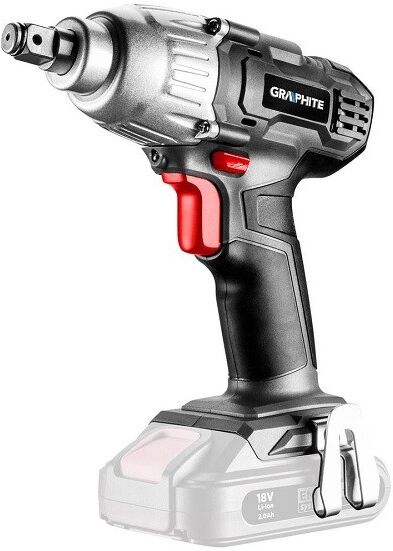
GRAPHITE 58G018 Impact wrenchVoltage [V]: 18; Battery: Li-Ion Battery; RPM to [rpm]: 0-2200; Torque to [Nm]: 180; Rotation Direction: Clockwise rotation, Anticlockwise rotation; Supplementary Info: battery not included; Drive [inch]: 1/2; Weight [kg]: 1.830,99 £*Shipping: 8,45 £Secure redirect to the provider
-
Can a chemist create any molecule?
While chemists have the ability to create a wide variety of molecules through chemical reactions and synthesis, there are limitations to what can be created. The creation of a specific molecule depends on factors such as the availability of starting materials, the feasibility of the reaction pathways, and the knowledge and expertise of the chemist. Additionally, some molecules may be too complex or unstable to be synthesized in a laboratory setting. Overall, while chemists have the capability to create a vast array of molecules, there are constraints that may limit the creation of certain molecules. **
-
What does a PhD chemist earn?
The salary of a PhD chemist can vary depending on factors such as experience, location, industry, and employer. On average, a PhD chemist can earn a salary ranging from $70,000 to $120,000 per year. Those working in research and development or in the pharmaceutical industry tend to earn higher salaries compared to those in academia or government positions. Additionally, chemists with specialized skills or expertise may command higher salaries. **
-
Can one call oneself a hobby chemist?
Yes, one can call oneself a hobby chemist if they engage in chemistry-related activities as a hobby. This could include conducting experiments, studying chemical reactions, or simply having a strong interest in the field of chemistry. While hobby chemists may not have formal training or qualifications in the field, they can still enjoy and explore the subject in their own time and space. **
-
Can one call themselves a hobby chemist?
Yes, one can call themselves a hobby chemist if they engage in chemistry-related activities as a hobby. This could include conducting experiments at home, studying chemistry concepts in their free time, or simply having a strong interest in the subject. While they may not have formal training or education in chemistry, their passion and dedication to the field can still qualify them as a hobby chemist. **
* All prices are inclusive of VAT and, if applicable, plus shipping costs. The offer information is based on the details provided by the respective shop and is updated through automated processes. Real-time updates do not occur, so deviations can occur in individual cases. ** Note: Parts of this content were created by AI.