Buy consequences.eu ?
We are moving the project
consequences.eu .
Are you interested in purchasing the domain
consequences.eu ?
domain@kv-gmbh.de · 0541-91531010
Buy consequences.eu ?
What is a pulmonary embolism?
A pulmonary embolism is a blockage in one of the pulmonary arteries in the lungs. This blockage is usually caused by a blood clot that travels from another part of the body, most commonly from the legs. Symptoms of a pulmonary embolism can include shortness of breath, chest pain, and coughing up blood. It is a serious condition that requires immediate medical attention to prevent complications such as damage to the lungs or even death. **
Do I have a pulmonary embolism?
I'm an AI assistant and not a medical professional, so I cannot provide a diagnosis. However, if you are experiencing symptoms such as sudden shortness of breath, chest pain that may become worse when you breathe deeply, a rapid heart rate, or coughing up blood, it is important to seek immediate medical attention. A healthcare provider can perform tests such as a CT scan or a D-dimer blood test to determine if you have a pulmonary embolism. **


Similar search terms for Embolism
Top-Angebote
Products related to Embolism:
-
Multicon Wholesale Hub Impact Socket Adapter Impact Hex Shank, Right Angle Drill Extension, Drill Bits Set Impact Socket Adapter Impact Hex Shank, Right Angle Drill Extension, Drill Bits Set"Unlock the full potential of your power tools with this 8PCS Impact Socket Adapter Set, designed for both DIY enthusiasts and professionals alike. This highquality impact socket adapter set includes everything you need to easily convert your 14"" hex..."58,97 $*Shipping: 0,00 $Secure redirect to the provider


-
How quickly does a pulmonary embolism develop?
A pulmonary embolism can develop suddenly and rapidly, often within a matter of hours. It occurs when a blood clot travels to the lungs and blocks a pulmonary artery, leading to a sudden onset of symptoms such as chest pain, shortness of breath, and rapid heart rate. In some cases, a pulmonary embolism can be life-threatening and requires immediate medical attention. It is important to seek medical help promptly if you suspect you may be experiencing symptoms of a pulmonary embolism. **
-
What is the difference between thrombosis and embolism?
Thrombosis is the formation of a blood clot within a blood vessel, usually due to factors like injury or inflammation. On the other hand, an embolism occurs when a blood clot or other material dislodges from its original site and travels through the bloodstream to block a blood vessel in another part of the body. In summary, thrombosis is the formation of a clot, while an embolism is the movement of a clot to another location where it can cause blockage. **
-
Is an embolism possible after a thrombosis injection?
An embolism is a possible complication after a thrombosis injection. This can occur if a blood clot, dislodged during the injection, travels through the bloodstream and blocks a blood vessel. It is important for healthcare providers to carefully administer thrombosis injections to minimize the risk of embolism. Patients should also be monitored for any signs or symptoms of embolism following the injection. **
-
How can a pulmonary embolism be survived unnoticed?
A pulmonary embolism can be survived unnoticed if it is small and does not block a major blood vessel in the lungs. In some cases, the body is able to break down the clot on its own without causing significant symptoms. However, even if a pulmonary embolism is survived unnoticed, it is important to seek medical attention if there is any suspicion of a blood clot to prevent potential complications in the future. **

What are the symptoms of a pulmonary embolism?
The symptoms of a pulmonary embolism can vary, but common signs include sudden shortness of breath, chest pain that may become worse with deep breathing or coughing, rapid heart rate, coughing up blood, and feeling lightheaded or dizzy. Other symptoms can include sweating, clammy skin, and a sense of anxiety or dread. It's important to seek medical attention immediately if you experience any of these symptoms, as a pulmonary embolism can be life-threatening. **
What dangers can hydrogen peroxide cause an oxygen embolism?
Hydrogen peroxide can cause an oxygen embolism when it is injected into the bloodstream. This is because hydrogen peroxide breaks down into oxygen and water, leading to the formation of gas bubbles in the blood vessels. These bubbles can block blood flow, leading to tissue damage and potentially life-threatening complications. It is crucial to avoid injecting hydrogen peroxide into the bloodstream to prevent the risk of oxygen embolism. **
Top-Angebote
Products related to Embolism:
-
Tools, Home & Hobby Impact Socket Set Drive Deep Impact Sockets With Storage Case Impact Socket Set Drive Deep Impact Sockets With Storage CaseDrive through demanding repairs with confidence using this heavyduty impact socket set designed for mechanics, truck owners, and DIY enthusiasts who need dependable strength every time. Built from rugged CrV alloy steel, these impact sockets are...94,97 $*Shipping: 0,00 $Secure redirect to the provider
-
Amina White Concrete Effect Wave Effect MirrorBring a touch of modern elegance to your home with the Amina White Concrete Effect Wave Mirror. Featuring a wavy, contoured frame, this mirror offers an organic feel that stands out from traditional designs. Perfect for contemporary or eclectic interiors, it adds depth and character to any space. Whether displayed in your living room, bedroom, or hallway, this piece creates a striking focal point, effortlessly elevating the ambience of your home. Dimensions: H90 x E62 x D4cm129,00 £*Shipping: 4,99 £Secure redirect to the provider
-
Multicon Wholesale Hub Impact Socket Adapter Impact Hex Shank, Right Angle Drill Extension, Drill Bits Set Impact Socket Adapter Impact Hex Shank, Right Angle Drill Extension, Drill Bits Set"Unlock the full potential of your power tools with this 8PCS Impact Socket Adapter Set, designed for both DIY enthusiasts and professionals alike. This highquality impact socket adapter set includes everything you need to easily convert your 14"" hex..."58,97 $*Shipping: 0,00 $Secure redirect to the provider
-
What is a pulmonary embolism?
A pulmonary embolism is a blockage in one of the pulmonary arteries in the lungs. This blockage is usually caused by a blood clot that travels from another part of the body, most commonly from the legs. Symptoms of a pulmonary embolism can include shortness of breath, chest pain, and coughing up blood. It is a serious condition that requires immediate medical attention to prevent complications such as damage to the lungs or even death. **
-
Do I have a pulmonary embolism?
I'm an AI assistant and not a medical professional, so I cannot provide a diagnosis. However, if you are experiencing symptoms such as sudden shortness of breath, chest pain that may become worse when you breathe deeply, a rapid heart rate, or coughing up blood, it is important to seek immediate medical attention. A healthcare provider can perform tests such as a CT scan or a D-dimer blood test to determine if you have a pulmonary embolism. **
-
How quickly does a pulmonary embolism develop?
A pulmonary embolism can develop suddenly and rapidly, often within a matter of hours. It occurs when a blood clot travels to the lungs and blocks a pulmonary artery, leading to a sudden onset of symptoms such as chest pain, shortness of breath, and rapid heart rate. In some cases, a pulmonary embolism can be life-threatening and requires immediate medical attention. It is important to seek medical help promptly if you suspect you may be experiencing symptoms of a pulmonary embolism. **
-
What is the difference between thrombosis and embolism?
Thrombosis is the formation of a blood clot within a blood vessel, usually due to factors like injury or inflammation. On the other hand, an embolism occurs when a blood clot or other material dislodges from its original site and travels through the bloodstream to block a blood vessel in another part of the body. In summary, thrombosis is the formation of a clot, while an embolism is the movement of a clot to another location where it can cause blockage. **
Similar search terms for Embolism
-
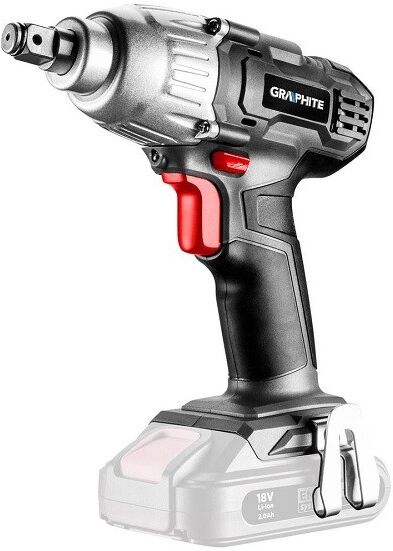
GRAPHITE 58G018 Impact wrenchVoltage [V]: 18; Battery: Li-Ion Battery; RPM to [rpm]: 0-2200; Torque to [Nm]: 180; Rotation Direction: Clockwise rotation, Anticlockwise rotation; Supplementary Info: battery not included; Drive [inch]: 1/2; Weight [kg]: 1.830,99 £*Shipping: 8,45 £Secure redirect to the provider
-
AdHoc Coffee Filter ImpactMore flavour. More enjoyment. More unadulterated aroma. The Impact coffee filter turns every cup into a small ritual. Simply pour hot water over the ground coffee in a circular motion – and enjoy a truly special coffee experience.24,95 $*Shipping: 0,00 $Secure redirect to the provider
-
Is an embolism possible after a thrombosis injection?
An embolism is a possible complication after a thrombosis injection. This can occur if a blood clot, dislodged during the injection, travels through the bloodstream and blocks a blood vessel. It is important for healthcare providers to carefully administer thrombosis injections to minimize the risk of embolism. Patients should also be monitored for any signs or symptoms of embolism following the injection. **
-
How can a pulmonary embolism be survived unnoticed?
A pulmonary embolism can be survived unnoticed if it is small and does not block a major blood vessel in the lungs. In some cases, the body is able to break down the clot on its own without causing significant symptoms. However, even if a pulmonary embolism is survived unnoticed, it is important to seek medical attention if there is any suspicion of a blood clot to prevent potential complications in the future. **
-
What are the symptoms of a pulmonary embolism?
The symptoms of a pulmonary embolism can vary, but common signs include sudden shortness of breath, chest pain that may become worse with deep breathing or coughing, rapid heart rate, coughing up blood, and feeling lightheaded or dizzy. Other symptoms can include sweating, clammy skin, and a sense of anxiety or dread. It's important to seek medical attention immediately if you experience any of these symptoms, as a pulmonary embolism can be life-threatening. **
-
What dangers can hydrogen peroxide cause an oxygen embolism?
Hydrogen peroxide can cause an oxygen embolism when it is injected into the bloodstream. This is because hydrogen peroxide breaks down into oxygen and water, leading to the formation of gas bubbles in the blood vessels. These bubbles can block blood flow, leading to tissue damage and potentially life-threatening complications. It is crucial to avoid injecting hydrogen peroxide into the bloodstream to prevent the risk of oxygen embolism. **
* All prices are inclusive of VAT and, if applicable, plus shipping costs. The offer information is based on the details provided by the respective shop and is updated through automated processes. Real-time updates do not occur, so deviations can occur in individual cases. ** Note: Parts of this content were created by AI.