Buy consequences.eu ?
We are moving the project
consequences.eu .
Are you interested in purchasing the domain
consequences.eu ?
domain@kv-gmbh.de · 0541-91531010
Buy consequences.eu ?
What level of education is required for Forensics?
To work in the field of forensics, a minimum of a bachelor's degree in a relevant field such as forensic science, biology, chemistry, or criminal justice is typically required. However, many positions in forensics may require a master's degree or even a Ph.D., especially for more specialized roles or for advancement in the field. Additionally, gaining practical experience through internships or on-the-job training is also important for a career in forensics. **
How can I do an internship in forensics?
To do an internship in forensics, you can start by researching and reaching out to organizations or agencies that offer internships in the field of forensics, such as law enforcement agencies, crime labs, or forensic science research institutions. You can also check with your college or university's career services office for internship opportunities in forensics. Networking with professionals in the field and attending career fairs or industry events can also help you find internship opportunities. Additionally, gaining relevant coursework or experience in forensic science, criminal justice, or related fields can make you a more competitive candidate for forensics internships. **


Similar search terms for Forensics
Top-Angebote
Products related to Forensics:
-
Amina White Concrete Effect Wave Effect MirrorBring a touch of modern elegance to your home with the Amina White Concrete Effect Wave Mirror. Featuring a wavy, contoured frame, this mirror offers an organic feel that stands out from traditional designs. Perfect for contemporary or eclectic interiors, it adds depth and character to any space. Whether displayed in your living room, bedroom, or hallway, this piece creates a striking focal point, effortlessly elevating the ambience of your home. Dimensions: H90 x E62 x D4cm129,00 £*Shipping: 4,99 £Secure redirect to the provider
-
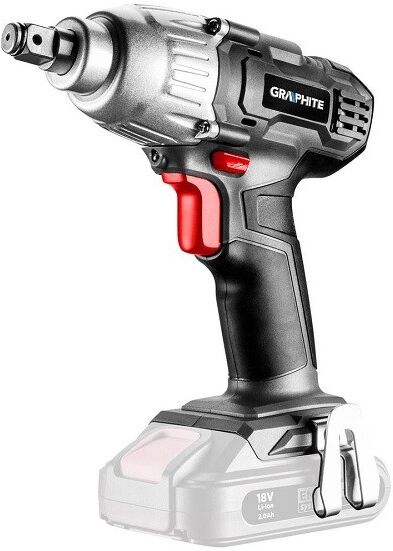
GRAPHITE 58G018 Impact wrenchVoltage [V]: 18; Battery: Li-Ion Battery; RPM to [rpm]: 0-2200; Torque to [Nm]: 180; Rotation Direction: Clockwise rotation, Anticlockwise rotation; Supplementary Info: battery not included; Drive [inch]: 1/2; Weight [kg]: 1.830,99 £*Shipping: 8,45 £Secure redirect to the provider



-
What is the difference between forensics and criminalistics?
Forensics is the application of scientific methods and techniques to solve crimes and legal issues, while criminalistics is a branch of forensic science that focuses specifically on the analysis of physical evidence in criminal investigations. Forensics encompasses a broader range of disciplines, including DNA analysis, toxicology, and crime scene investigation, while criminalistics is more narrowly focused on the collection, preservation, and analysis of physical evidence such as fingerprints, ballistics, and trace evidence. In summary, forensics is the overarching field that includes criminalistics as a specialized area of study within it. **
-
Where can I apply for an internship in forensics?
You can apply for internships in forensics at various places such as government agencies like the Federal Bureau of Investigation (FBI), local law enforcement agencies, forensic laboratories, and private forensic consulting firms. Additionally, many universities and research institutions offer internships in forensic science and related fields. It's important to research and reach out to specific organizations or institutions that align with your interests and career goals in forensics. Networking with professionals in the field and utilizing online job boards and internship databases can also help you find opportunities. **
-
How can one transition from a biomedical analyst to forensics?
To transition from a biomedical analyst to forensics, one could consider pursuing additional education or training in forensic science or a related field. This could involve obtaining a certification or a master's degree in forensic science. It may also be beneficial to gain experience through internships or volunteer opportunities in forensic labs or with law enforcement agencies. Networking with professionals in the field of forensics and attending relevant conferences or workshops can also help in making the transition. **
-
How can I study biology and then go into forensics?
To study biology and then go into forensics, you can start by pursuing a degree in biology or a related field such as forensic science. It is important to take courses in biology, chemistry, and other relevant sciences to build a strong foundation. You can then specialize in forensic biology or forensic science through additional coursework or a graduate program. Gaining practical experience through internships or research opportunities in forensic labs can also be beneficial in preparing for a career in forensics. **


What is the course of study for Natural Science Forensics?
The course of study for Natural Science Forensics typically includes a combination of biology, chemistry, physics, and forensic science courses. Students will learn about the scientific methods used in crime scene investigation, evidence collection and analysis, and how to apply these techniques in real-world scenarios. They may also study topics such as DNA analysis, toxicology, ballistics, and forensic anthropology. Hands-on laboratory work and internships are often a key component of the program to provide practical experience in the field. **
How does the detection of blood in forensics work through reduced phenolphthalein?
The detection of blood in forensics through reduced phenolphthalein involves a chemical reaction that occurs when blood comes into contact with the phenolphthalein reagent. Hemoglobin in blood acts as a reducing agent, causing the phenolphthalein to change color from colorless to pink or red. This color change is a positive indication of the presence of blood at a crime scene. This method is commonly used in forensic investigations to identify blood stains that may not be visible to the naked eye. **
Top-Angebote
Products related to Forensics:
-
Tools, Home & Hobby Impact Socket Set Drive Deep Impact Sockets With Storage Case Impact Socket Set Drive Deep Impact Sockets With Storage CaseDrive through demanding repairs with confidence using this heavyduty impact socket set designed for mechanics, truck owners, and DIY enthusiasts who need dependable strength every time. Built from rugged CrV alloy steel, these impact sockets are...94,97 $*Shipping: 0,00 $Secure redirect to the provider
-
Multicon Wholesale Hub Impact Socket Adapter Impact Hex Shank, Right Angle Drill Extension, Drill Bits Set Impact Socket Adapter Impact Hex Shank, Right Angle Drill Extension, Drill Bits Set"Unlock the full potential of your power tools with this 8PCS Impact Socket Adapter Set, designed for both DIY enthusiasts and professionals alike. This highquality impact socket adapter set includes everything you need to easily convert your 14"" hex..."58,97 $*Shipping: 0,00 $Secure redirect to the provider
-
Amina White Concrete Effect Wave Effect MirrorBring a touch of modern elegance to your home with the Amina White Concrete Effect Wave Mirror. Featuring a wavy, contoured frame, this mirror offers an organic feel that stands out from traditional designs. Perfect for contemporary or eclectic interiors, it adds depth and character to any space. Whether displayed in your living room, bedroom, or hallway, this piece creates a striking focal point, effortlessly elevating the ambience of your home. Dimensions: H90 x E62 x D4cm129,00 £*Shipping: 4,99 £Secure redirect to the provider
-
GRAPHITE 58G018 Impact wrenchVoltage [V]: 18; Battery: Li-Ion Battery; RPM to [rpm]: 0-2200; Torque to [Nm]: 180; Rotation Direction: Clockwise rotation, Anticlockwise rotation; Supplementary Info: battery not included; Drive [inch]: 1/2; Weight [kg]: 1.830,99 £*Shipping: 8,45 £Secure redirect to the provider
-
What level of education is required for Forensics?
To work in the field of forensics, a minimum of a bachelor's degree in a relevant field such as forensic science, biology, chemistry, or criminal justice is typically required. However, many positions in forensics may require a master's degree or even a Ph.D., especially for more specialized roles or for advancement in the field. Additionally, gaining practical experience through internships or on-the-job training is also important for a career in forensics. **
-
How can I do an internship in forensics?
To do an internship in forensics, you can start by researching and reaching out to organizations or agencies that offer internships in the field of forensics, such as law enforcement agencies, crime labs, or forensic science research institutions. You can also check with your college or university's career services office for internship opportunities in forensics. Networking with professionals in the field and attending career fairs or industry events can also help you find internship opportunities. Additionally, gaining relevant coursework or experience in forensic science, criminal justice, or related fields can make you a more competitive candidate for forensics internships. **
-
What is the difference between forensics and criminalistics?
Forensics is the application of scientific methods and techniques to solve crimes and legal issues, while criminalistics is a branch of forensic science that focuses specifically on the analysis of physical evidence in criminal investigations. Forensics encompasses a broader range of disciplines, including DNA analysis, toxicology, and crime scene investigation, while criminalistics is more narrowly focused on the collection, preservation, and analysis of physical evidence such as fingerprints, ballistics, and trace evidence. In summary, forensics is the overarching field that includes criminalistics as a specialized area of study within it. **
-
Where can I apply for an internship in forensics?
You can apply for internships in forensics at various places such as government agencies like the Federal Bureau of Investigation (FBI), local law enforcement agencies, forensic laboratories, and private forensic consulting firms. Additionally, many universities and research institutions offer internships in forensic science and related fields. It's important to research and reach out to specific organizations or institutions that align with your interests and career goals in forensics. Networking with professionals in the field and utilizing online job boards and internship databases can also help you find opportunities. **
Similar search terms for Forensics
-
AdHoc Coffee Filter ImpactMore flavour. More enjoyment. More unadulterated aroma. The Impact coffee filter turns every cup into a small ritual. Simply pour hot water over the ground coffee in a circular motion – and enjoy a truly special coffee experience.24,95 $*Shipping: 0,00 $Secure redirect to the provider
-
Tools, Home & Hobby Reverse Torque Output Air Impact Wrench, Heavy Duty Pneumatic Impact Gun, Lightweight With Handles Reverse Torque Output Air Impact Wrench, Heavy Duty Pneumatic Impact Gun, Lightweight With HandlesBeast Performance: Experience Unrivaled TorqueTired of struggling with rusted or overtorqued bolts on heavy machinery The VEVOR 1 Inch Air Impact Wrench is engineered for professionals and serious DIYers tackling the toughest automotive and...168,97 $*Shipping: 0,00 $Secure redirect to the provider
-
How can one transition from a biomedical analyst to forensics?
To transition from a biomedical analyst to forensics, one could consider pursuing additional education or training in forensic science or a related field. This could involve obtaining a certification or a master's degree in forensic science. It may also be beneficial to gain experience through internships or volunteer opportunities in forensic labs or with law enforcement agencies. Networking with professionals in the field of forensics and attending relevant conferences or workshops can also help in making the transition. **
-
How can I study biology and then go into forensics?
To study biology and then go into forensics, you can start by pursuing a degree in biology or a related field such as forensic science. It is important to take courses in biology, chemistry, and other relevant sciences to build a strong foundation. You can then specialize in forensic biology or forensic science through additional coursework or a graduate program. Gaining practical experience through internships or research opportunities in forensic labs can also be beneficial in preparing for a career in forensics. **
-
What is the course of study for Natural Science Forensics?
The course of study for Natural Science Forensics typically includes a combination of biology, chemistry, physics, and forensic science courses. Students will learn about the scientific methods used in crime scene investigation, evidence collection and analysis, and how to apply these techniques in real-world scenarios. They may also study topics such as DNA analysis, toxicology, ballistics, and forensic anthropology. Hands-on laboratory work and internships are often a key component of the program to provide practical experience in the field. **
-
How does the detection of blood in forensics work through reduced phenolphthalein?
The detection of blood in forensics through reduced phenolphthalein involves a chemical reaction that occurs when blood comes into contact with the phenolphthalein reagent. Hemoglobin in blood acts as a reducing agent, causing the phenolphthalein to change color from colorless to pink or red. This color change is a positive indication of the presence of blood at a crime scene. This method is commonly used in forensic investigations to identify blood stains that may not be visible to the naked eye. **
* All prices are inclusive of VAT and, if applicable, plus shipping costs. The offer information is based on the details provided by the respective shop and is updated through automated processes. Real-time updates do not occur, so deviations can occur in individual cases. ** Note: Parts of this content were created by AI.